The last Saturday in February, Hattie and I turned back after about a mile at Mammoth Cave. She had wet socks, a blister starting on her left heel, and I was carrying a leaky plastic bottle in my tote that had already soaked the trail map. Every ten minutes she asked me for water. Every time, I stopped, swung the tote off my shoulder, unscrewed a cap, held the bottle while she drank, and screwed it back on. That night I sat at the kitchen table and ordered five things in one Amazon order: the CamelBak Mini M.U.L.E. kids hydration pack, a pair of Merrell boots, the Think Peak binoculars, the Owala bottle and the Columbia rain jacket. It all arrived that week. The first Saturday of March we walked with all of it.
Eight months and about thirty Saturdays later, I can tell you which of those five changed the walk the most. It was not the boots, though the boots are good. It was the CamelBak. Not because it is clever or expensive. Because it moved the water onto Hattie's back and took me out of the job of being the water station. Here are ten reasons it made our hiking easier, in the order I would give them to a friend on my porch.
The change that ended the ten minute water stops
The CamelBak Mini M.U.L.E. holds 50 ounces, carries a jacket and a notebook, and puts the water somewhere a third grader can reach it without either of you stopping.
Amazon Check Today's Price on Amazon →She drinks while she walks instead of stopping every ten minutes
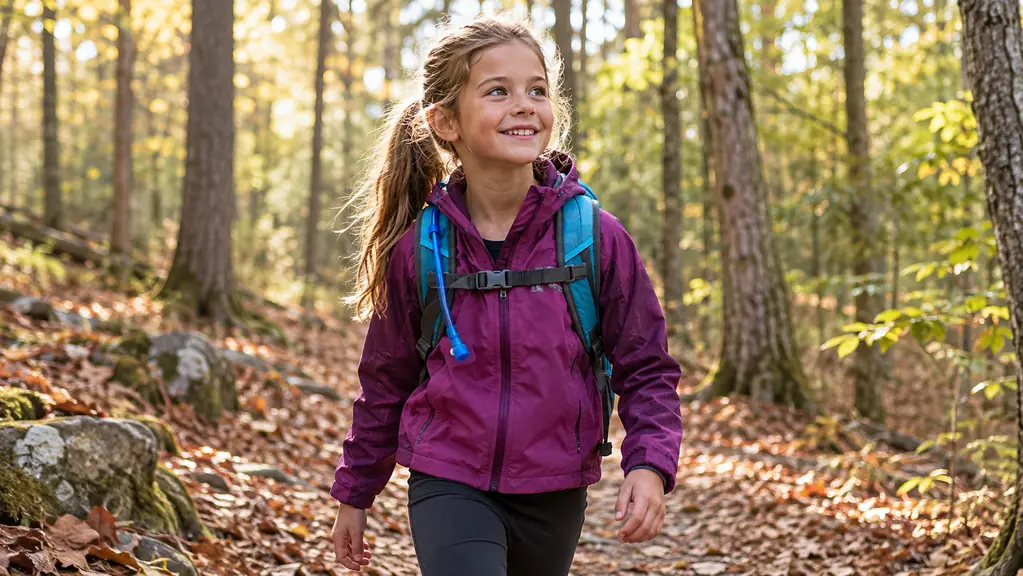
In February I was the water dispenser. Hattie would stop, I would swing the tote off my shoulder, unscrew a cap, hold the bottle while she drank, screw it back on. Ten minutes later we did the whole thing again. The pack moved that job onto her back. The reservoir holds 50 ounces, about 1.5 liters, and the drink tube comes over her shoulder, so she sips when she wants and keeps walking. On that first Saturday in March she drank twice before we reached the first bend and never once asked me for the bottle.
You can fill it halfway, which is the right call for a small person
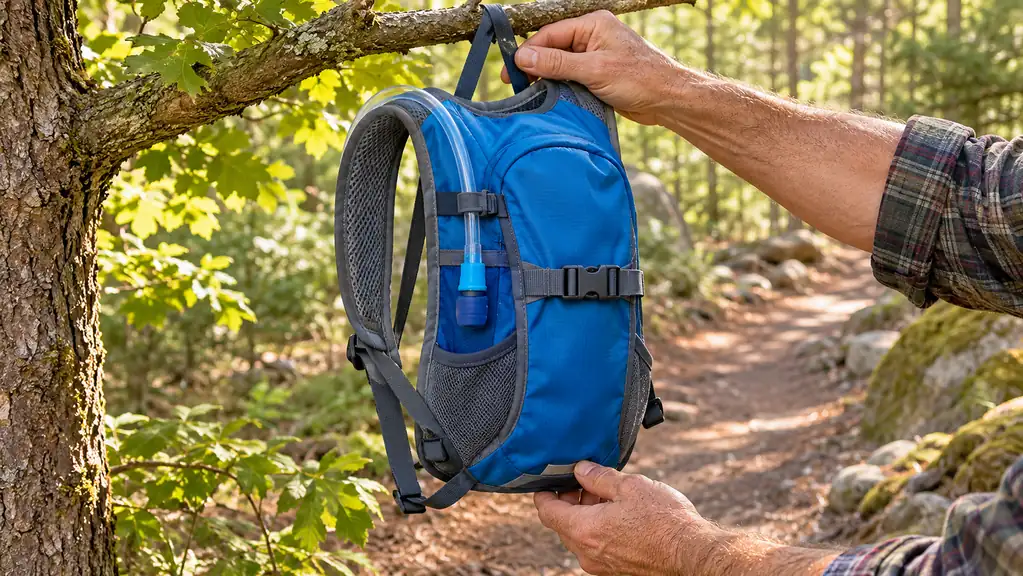
Nobody tells you that a full reservoir is a lot of water for an 8 year old to carry. I fill the 1.5 liter reservoir to about half, roughly 25 ounces, for our walks up to two hours. On the hottest days of July I fill it all the way and she drinks it dry. Half full also means less slosh against her back. She noticed that and complained about it exactly once, on the morning I overfilled it and did not think about the weight.
Her jacket, binoculars and notebook ride on her own back
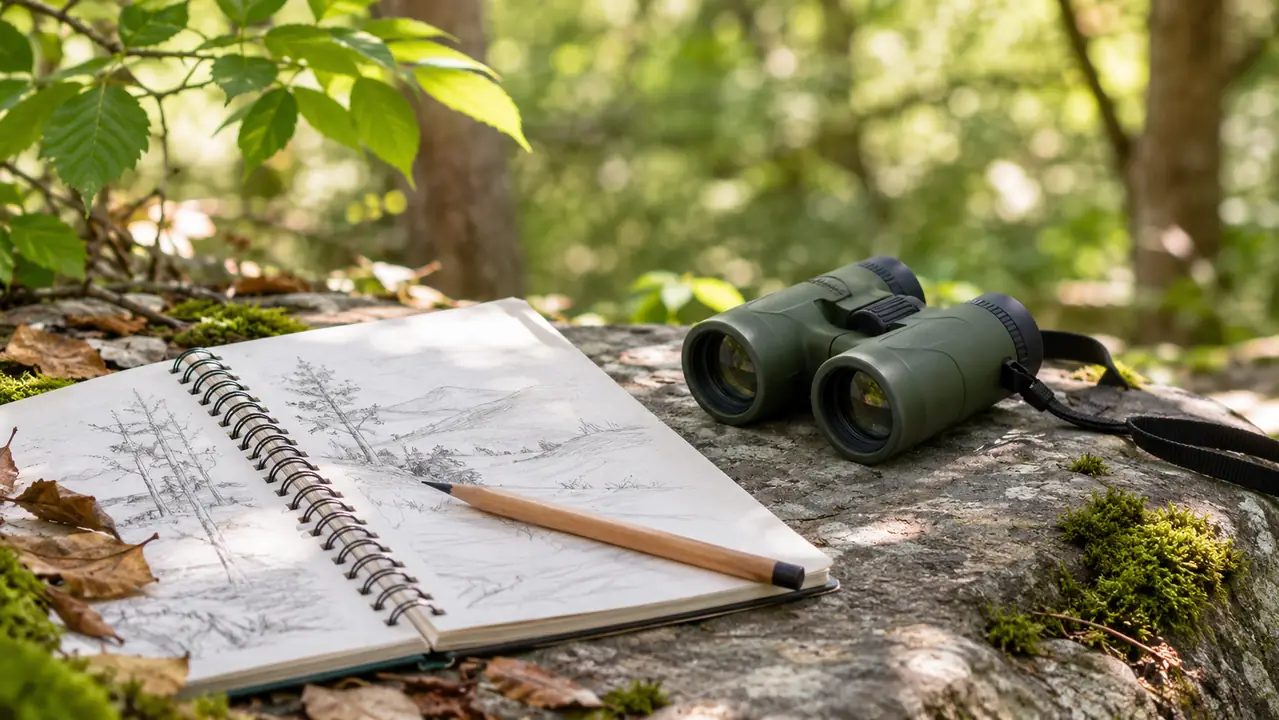
3.5 liters of cargo across three pockets. The main compartment holds the Columbia rain jacket rolled tight, the Think Peak binoculars and her spiral nature journal. The zippered pocket is for the small things she does not want to lose, which in our case is a pencil and a notebook that has been rained on once. Before the pack, all of that lived in my tote along with my own things, and I was the one digging through it while she waited.
It is light enough that her hands stay free
The pack weighs 7.05 ounces empty, and I will not pretend that number means anything to a third grader. What she noticed was her hands. She could hold the binoculars, she could hold a stick, she could put both palms on a rock when the trail got steep. My hands were free too, which after February felt like a small luxury. Light gear is not about the scale. It is about what the child can do with the rest of herself.
The sternum strap stops it sliding when she climbs over roots
Shoulder straps and a sternum strap, no hip belt, and for a child her size that is the right trade. The sternum strap crosses her chest and keeps the pack from swinging out when she steps over a log or leans down to look at something. It took her a few weeks to fasten it on her own. Now she clips it before I have my own pack on, and she will tell you so if you ask.
There is a stretch pocket for whatever she picks up
The stretch overflow pocket on the outside is where the trail comes home with us. A feather, a strip of bark, a chip of limestone she swore looked like a shell. It is also where a wet rain jacket goes when the rain stops and she does not want it sitting against her notebook. That one pocket has saved more than one argument at the halfway point.
It made her responsible for her own water
This is the teacher in me talking. When the water lived in my tote, the water was my problem. Now she checks the level before we leave the car and tells me when it is running low. She is the one who stands at the kitchen sink with me on Saturday morning while I fill the reservoir. That is a small thing. It is also the kind of small thing that turns into a habit a child keeps.
The bite valve works with one muddy hand
No cap to unscrew, no bottle to hold. She pulls the valve up, bites, drinks, lets it go. On a trail where her hands are covered in clay, that matters more than it sounds. The one flaw: if she leaves the valve hanging open against her shoulder, it drips a little. We fixed it by tucking the tube back into its loop before we start walking, and now she does it without being reminded.
It is sized for a child, not shrunk down from an adult pack
7.48 inches wide and 14.17 inches tall, polyester, with a ventilated harness across the back. It sits between her shoulder blades instead of hanging off her hips. Hattie is 8 and wears a Youth Medium jacket, and the pack lands on her back properly. The ventilated harness keeps some air moving on a hot July morning, which is more than my own old daypack does for me.
Eight months of Saturdays and it still looks like a pack
About thirty walks since March, through spring mud, a hot summer and now into fall. The pack has been set down on wet limestone, hung on a hook by my back door, and had a full reservoir dropped on it once. No tears, no split seams. CamelBak backs it with a lifetime warranty, which I have not needed to use. The fussy part is the reservoir, which is slow to dry, so it lives propped open on the dish rack overnight.
What I'd Skip
Two things I would skip. The first is buying an adult pack and calling it close enough. The CamelBak fits a child because it was built for one, and a pack that slides around gets handed back to you by the second mile. The second is filling the reservoir to the top on a two mile walk in mild weather. Half full is enough for our walks up to two hours, and a lighter pack is a happier child.
And if your child will not wear a pack at all, this one will not change that. Hattie wanted to carry her own things. A child who does not will treat any pack as another object to hand back to you. For our short walks at Lost River, under an hour, we still take the Owala bottle and leave the pack on the hook by the door. That is not a criticism of the pack. It is the honest shape of how we use it, and I would rather tell you that than sell you something you do not need.
Before the pack, Hattie stopped every ten minutes to ask me for water. On the first March walk she sipped while she walked and never asked once.
Start with the water, not the boots
If your Saturday looks like my February, the water is the first thing worth fixing. The boots can wait a week. The CamelBak Mini M.U.L.E. is what I would order again first.
Amazon See the CamelBak Mini M.U.L.E. on Amazon →